Save 27%
by Blaze
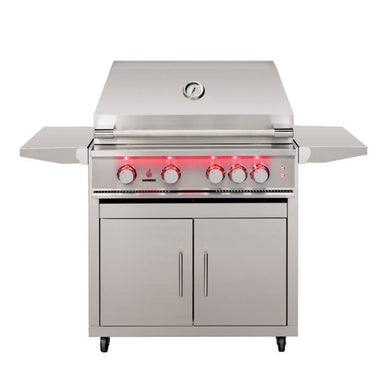
Blaze LTE 32 Inch 4-Burner Gas Grill w/ Rear Infrared Burner Key Features 304-grade stainless steel for ultimate protection against weather,...
View full details
A built-in gas barbecue grill is designed to become a permanent part of an outdoor kitchen, creating a clean, finished cooking space instead of a movable cart. These built-in products install directly into an island, improving functionality while freeing up valuable space for prep and storage. For a deeper comparison of top models, features, and buying considerations, see our Best Built-In Gas Grills Guide.
Built-in gas barbecue grills come in a range of designs—from sleek, modern profiles to more traditional, professional-style layouts—allowing them to match different outdoor kitchen looks. For outdoor use, stainless steel construction is essential, as quality stainless and steel components resist moisture, heat, and everyday exposure, helping the grill maintain performance and appearance over time.
A grill’s cooking area determines how much food you can prepare at once and how easily you can manage different foods at the same time. Most standard grills offer 400–500 square inches of cooking space, which works well for everyday meals and small groups, while larger setups with 550 square inches up 900 square inches are better suited for entertaining and multi-zone cooking.
Most built-in natural gas models operate on a fixed gas line, while some propane built-in options are available depending on installation needs. Choosing the right fuel early helps ensure your built-in kitchen is planned correctly and avoids changes later in the design process.
Proper ventilation, quality burners, and compatible accessories products all affect long-term use. Comparing price, warranty coverage, and available features ensures the built-in stainless steel grill fits both your kitchen design and how often you plan to cook.

Yes, a built-in grill is worth it if you want a permanent outdoor cooking setup with better durability, cleaner design, and higher resale appeal. Built-in grills integrate directly into outdoor kitchens, offer stronger materials, and are designed for long-term use rather than seasonal storage.
Built-in grills typically last 10–20 years depending on care and materials. High-end 304 stainless steel models with proper maintenance can outlast cheaper units by decades, making them a worthy investment for your outdoor space.
Built-in gas grills typically range from mid four figures to premium pricing, depending on size, materials, and features. Entry models focus on core grilling performance, while higher-end options include thicker stainless steel, infrared burners, and advanced cooking systems.
Installation costs vary based on gas type, ventilation needs, and island construction. Expenses often include gas hookups, vent panels, and possibly an insulated jacket. Planning installation early helps control costs and ensures the grill is installed safely and correctly.
Built-in gas grills range from about $1,500 to over $10,000. Entry-level models provide good basics, while premium luxury grills add advanced cooking systems, lighting, and lifetime durability.
Built-in grills are not standard size, but most fall between 30 and 42 inches. Outdoor kitchen designs typically use modular cabinetry or cutouts sized to fit the specific grill model chosen.
The life expectancy of a gas grill depends on materials. Basic models may last 5–10 years, while premium stainless-steel built-in grills can last 20 years or more with proper cleaning and cover protection.
Most built-in grills fall between 30 and 36 inches wide, which suits typical outdoor kitchen layouts. Larger grills offer more cooking space but require wider cabinet runs and additional ventilation planning.
To measure for a built-in grill, use the manufacturer’s cutout specifications rather than the grill’s overall width. Measurements must account for opening width, depth, and clearance space to ensure proper ventilation and safe heat dissipation.
Built-in grills should be installed far enough from walls, siding, and structures to allow proper ventilation and prevent heat damage. Clearance requirements vary by manufacturer, but adequate spacing is essential for safety and code compliance.
Yes, built-in grills require proper ventilation to release heat and prevent gas buildup inside the island. Vent panels are typically installed on the sides or rear of the cabinet to allow airflow and maintain safe operating conditions.
Yes, many built-in gas grills can operate on propane, either by design or with a manufacturer-approved conversion. Propane setups typically use external tanks stored in ventilated cabinets and should be planned before installation.
Yes, most built-in grills require an insulated jacket when installed into islands made from combustible materials like wood or framed enclosures. The jacket acts as a heat barrier, protecting surrounding materials and helping prevent fire hazards.
Lowest price guaranteed: if you see it cheaper, we’ll beat it
The price you see is final. No hidden fees, and no sales tax except in NY.
Free shipping on orders $99+ in the continental U.S.
Talk directly to the owner—20 years’ of real expertise.
placeholder